
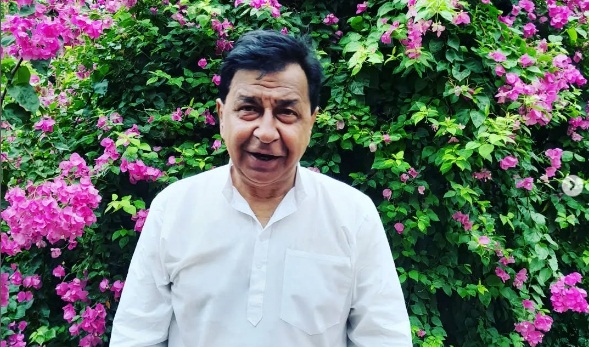
A veteran of both stage and screen, Saleem Shah has performed with legends, worked in celebrated productions, and mentored hundreds of aspiring actors across India. His grounded take on stardom and craft makes him not just a performer, but a guidepost in the journey of meaningful storytelling.
Shah, celebrated for his work in television, theatre, and films, recently visited the Capital to conduct a two-day screen and stage acting workshop. The seasoned performer, known for his roles in acclaimed films like Mammo and English August, blockbusters like Sarfarosh, and Fanaa and TV series Bharat Ek Khoj, Byomkesh Bakshi, Kyunki Saas Bhi Kabhi Bahu Thi, Just Mohabbat and several critically acclaimed theatrical productions, shared his insights and concerns with budding actors during the intensive session.
While passionately guiding the participants through the nuances of acting, Shah didn’t shy away from expressing his disappointment with the current generation of aspiring performers. He pointed out a growing lack of discipline, focus, and commitment among many newcomers to the craft.
“The biggest hurdle today’s youth faces is concentration,” he remarked. “Most of them are constantly distracted and excessively dependent on their phones. This addiction is becoming a serious barrier to genuine artistic growth.”
Shah emphasized that acting demands complete presence of mind, emotional honesty, and relentless practice — values he believes are being overlooked in the race for instant fame. “Acting is not about mimicking or posing for the camera. It’s about living a character truthfully, and that takes hard work and patience,” he added.
Through his workshop, Shah aimed not only to teach performance techniques but also to instill the importance of discipline and sincerity — qualities that form the foundation of any serious actor’s journey.
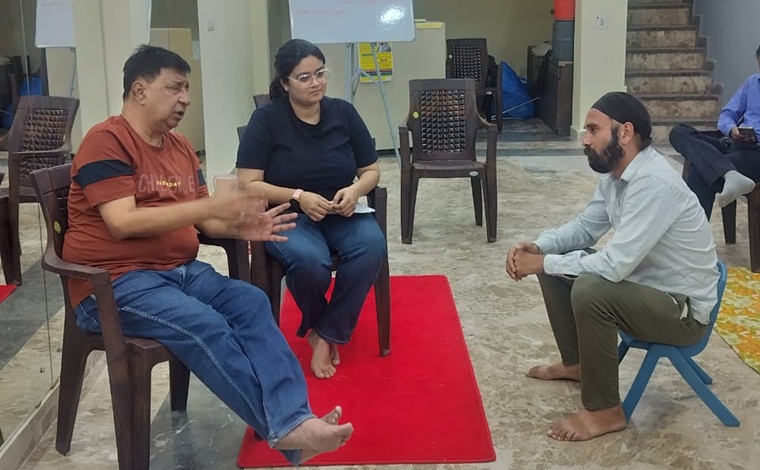
Veteran actor Saleem Shah, a firm believer in the discipline of theatre, shared his candid views on why theatre is slowly taking a backseat among today’s mainstream actors. While many of them earned their initial recognition through the stage, Shah noted that only a handful continue to stay connected with its rigorous demands.
“Most of the celebrated actors today began their journey in theatre. It shaped their craft and gave them the foundation they’re applauded for now,” Shah observed. “But somewhere along the way — whether due to their busy schedules, a sense of self-satisfaction, or the comfort of vanity vans — they’ve drifted away from the stage.”
He pointed out that theatre isn’t just physically and mentally demanding but also requires relentless commitment. “A typical rehearsal runs for two to three hours, and the emotional and physical energy it demands is far more intense than a short film shoot,” he explained. “Many actors have grown accustomed to an easier lifestyle, and that’s a choice. It all comes down to priorities.”
Shah acknowledged that institutions like the NSD have long served as breeding grounds for talent, but even then, not all alumni maintain their bond with the stage. “Only a few continue to honour their theatrical roots,” he added.
He stressed that theatre instills unparalleled qualities in an actor — discipline, memory retention, sharp concentration, and above all, a strong sense of teamwork. “A theatre actor is trained to hold the audience with nothing but voice, presence, and honesty. That kind of training doesn’t just build performers — it builds artists.”
Theatre trains the soul, not just the skill: Saleem Shah on the distinction between stage and screen actors
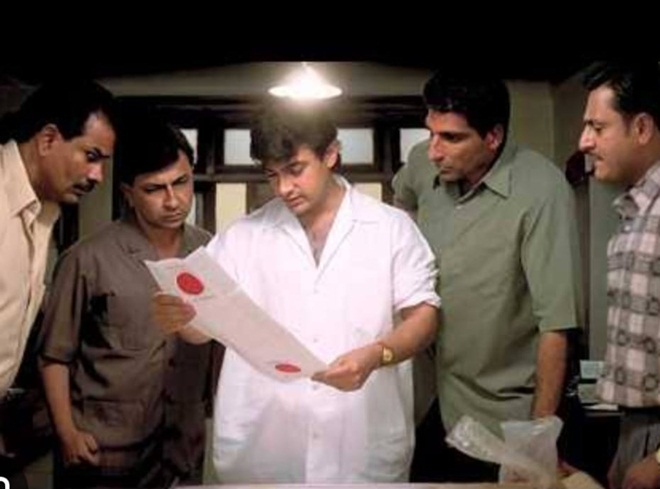
Having shared screen space with Aamir Khan in the critically acclaimed film Sarfarosh, actor Saleem Shah brings with him a rich understanding of both theatre and cinema. When asked about the ongoing comparison between theatre actors and film actors, Shah dismisses the debate as unfounded.
“There’s really no comparison,” he states. “Theatre actors are forged in fire. Their concentration levels, team spirit, and emotional depth allow them not only to shine under the spotlight but to exceed expectations consistently.”
Shah highlights that theatre demands rigorous preparation — reading, rehearsing, and emoting collectively — which nurtures discipline, razor-sharp memory, and the stamina to perform each scene with authenticity, night after night. “It’s not just performance; it’s a lifestyle,” he adds.
That said, Shah is quick to acknowledge that some outstanding actors have never trained on stage. “Acting is a creative journey. While theatre can shape an actor’s core, there are those who, through relentless effort and deep passion, grow into effortless performers even without formal stage experience. The goal for every actor, regardless of their path, is to master the craft — and that mastery comes only through process.”
Voice is the soul of an actor: Shah on the power of modulation in performance
Renowned actor Saleem Shah, known for his mastery over stage and screen acting, recently shared his insights on one of the most underrated yet essential tools of an actor — voice modulation. He emphasized that voice is not just a medium of dialogue delivery, but a powerful instrument that breathes life into a character.
“An actor doesn’t just speak; he plays with his voice,” Shah explained. “Modulation, tone, pitch, and rhythm is a creative process — whether you’re filming a scene or performing live on stage.”
Shah pointed out how in cinema, where technology offers significant support, it’s easier to perfect vocal nuances. However, the stage demands an entirely different level of vocal control and projection — something many theatre-trained actors have mastered over the years.
Reflecting on a recent promo of an upcoming play being staged in Delhi by a team from Mumbai, Shah noted the use of rice mics (clip-on microphones) by the performers. “It felt off. When an actor is dressed in costume but wears a mic on stage, it blurs the line between theatre and film. Theatre has its own grammar — and voice projection is a part of that discipline.”
He referenced a famous anecdote involving a friend of playwright George Bernard Shaw. In a playful exchange, the friend would tease her by saying she didn’t look like a theatre actor. To which she famously responded, “I might be a bad actor, but there is no theatre in the world where my voice couldn’t be heard.”
Shah echoed this sentiment with pride: “We’re trained — and experienced enough — to modulate, control, and project our voice naturally. That’s what makes theatre performance raw, real, and deeply powerful.”
The illusion of instant fame vs. the reality of theatre
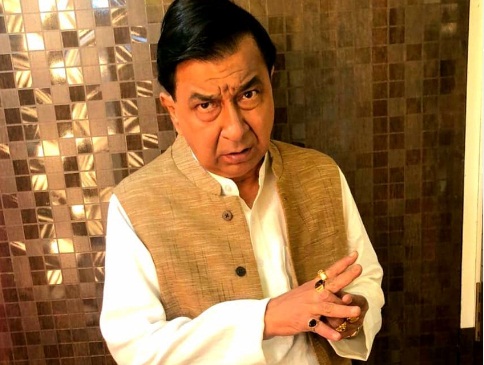
“Theatre doesn’t chase fame — it builds trust, sincerity, and discipline,” Shah firmly states. However, he acknowledges that fame is still an inevitable desire for every actor. “Anyone who claims they don’t want fame is lying — including me,” he adds with disarming honesty. According to Shah, today’s younger generation of actors is more preoccupied with quick visibility than long-term craft.
He further adds that theatre, ironically, can sometimes fuel an ego in actors — a kind of elitism that stems from being stage-trained. “I’ve spoken about this in my podcast as well he says. “Some actors wear their theatre background like a badge of superiority. That’s not what theatre is about.”
Despite the distractions of fame, Shah remains grateful for his film journey. “Whatever work I did in films was always respectable,” he says, fondly recalling his association with Star Bestsellers and other television projects.
Remembering the golden era of NSD repertory
Turning nostalgic, Shah reminisced about the vibrant theatre culture at NSD during the 1980s. “The reportory in 1985 was brimming with talent — Anang Desai, Govind Namdev, Surekha Sikri, Dolly Ahluwalia — all working with pure dedication,” he recalls. Many of them were part of Deshantar.
Grants for NSD
Despite receiving generous government grants, Shah feels NSD’s priorities need realignment. “Sets worth five lakhs are being built, but the actors are paid peanuts,” he says bluntly. “Productions are often repetitive — how long will we keep watching Aadhe Adhure or Taj Mahal Ka Tender? It’s time to experiment.”
The commercialization of learning & the 3-month acting course debate
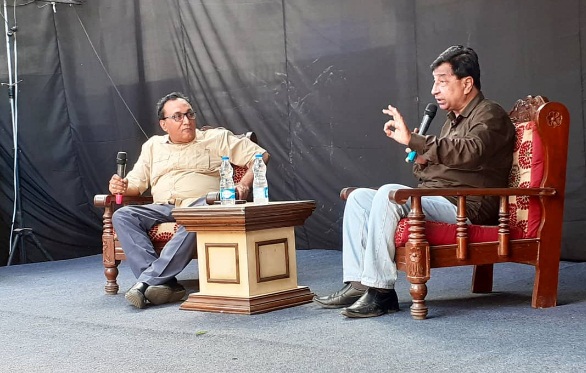
When asked about the growing trend of short-term acting courses — especially the 3-month programme initiated by NSD — Shah didn’t mince his words. “These workshops are being marketed with unrealistic promises. Everyone knows you can’t master acting in three months. Then why sell the illusion?”
He’s especially critical of how young aspirants are willing to pay a hefty fee to institutions like NSD, but hesitate to support smaller theatre groups offering more hands-on training. “Theatre is a lifelong journey. There’s no shortcut. And when we offer reasonably priced workshops, they often don’t see the value. That’s disheartening.”
Despite his concerns, Shah applauds progressive work being done outside the capital — especially in Mumbai. He praised directors like Atul Kaushik and groups led by Rajit Kapur, Vinay Pathak, and Ranvir Shorey for producing fresh, bold work.
On decentralisation and staying grounded
Sharing his personal journey, Shah revealed that unlike many who migrate from Delhi to Mumbai, his move was from Aligarh to Mumbai — with a short stint in Delhi between 2010–2012. “I came to Delhi to attend a workshop, but could never build lasting connections. I was too caught up in shoots for films and TV.”
Today, Shah strongly advocates for actors to focus on personal growth, irrespective of location. “Shooting is happening all over the country. There is a decentralisation of power — and actors need to adapt, keep learning, and improve continuously.”
“Mumbai doesn’t wait”: Saleem Shah talks struggles, screen evolution, and the lifelong learning in acting
Veteran actor Saleem Shah, with a legacy in theatre and screen performance, shares a brutally honest take on the journey of becoming an actor — from the myths surrounding Mumbai dreams to the realities of staying relevant, and the quiet strength that books and learning can offer in an uncertain career.
The harsh reality of Mumbai dreams
“One of the biggest illusions most aspiring actors carry,” Shah points out, “is that they’ll start getting work within two or three months of moving to Mumbai.” But Mumbai, he warns, is a city that’s always on the lookout for fresh talent — and it’s equally swift in sidelining those who don’t add value.
“It churns out talent fast. If you’re not contributing meaningfully, you’ll simply be left behind,” he says. Yet, he’s clear that facing rejections and selections is part of the process. “It’s the actor’s call to decide when they’re ready to face the world. No one else can define that readiness.”
The audience divide: Metros vs. small towns
Reflecting on audience behaviour, Shah shares a stark observation. “There’s a world of difference between the mindset of theatre audiences in metros and those in smaller cities,” he explains. While urban audiences may actively seek theatre, smaller cities often
show disinterest — especially when the show isn’t sponsored or backed by known organisations like Rotary Clubs.
“Regrettably, theatre isn’t even considered a valid source of entertainment in many small towns,” he laments, underlining the urgent need for theatre literacy and accessibility in such regions.
The rise of web series & changing industry dynamics
With the surge in digital content, Shah acknowledges the significant shift in production quality and professionalism in web series. “They’re now being shot in a much more structured, organic manner. It’s no longer about shooting endlessly for 20-25 days. Today, everyone on the crew — from the director to the light boy — knows exactly what they want, who they want, and for how long.”
He credits this evolution as a positive sign of maturity within the industry, offering actors clarity and efficient creative environments.
Books over mobiles: Mental health in the acting journey
In a profession known for its emotional highs and lows, Shah openly talks about the importance of mental well-being. During his own low phases, he found immense comfort in literature — especially the works of noted Hindi writers Sharat Joshi and Harishankar Parsai.
“These books rescued me when I was going through depression, anxiety, and overthinking,” he shares. Unlike the instant gratification of
mobile screens, books, he says, are long-term companions. “A good book becomes a good friend — it gives you vision, perspective, and peace.”
On teaching, ego, and staying grounded
When asked what he learns from his students — considering that every teacher-student relationship is a two-way exchange — Shah smiled and answered with characteristic humility: “I never tell an actor what their strengths are. The moment you do that, they start fumbling. Their assets lose their edge. It’s a telling insight from someone who’s seen the theatre lights dim and brighten over decades. For Shah, acting isn’t just about performance — it’s about balance, self-awareness, and constant evolution.